There is Another in the Fire: A Designer’s Practical Review
First Impressions: A Mood Born from Flame
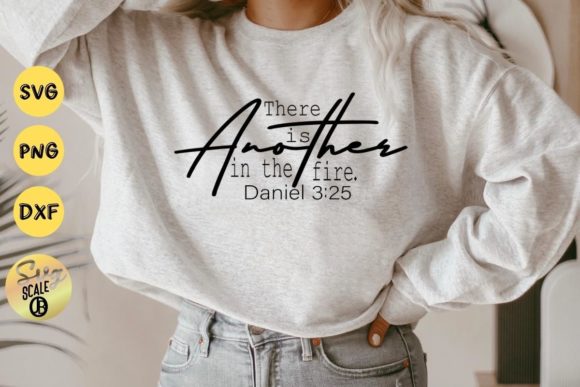
When I first opened There is Another in the Fire, I was struck not by its complexity, but by its emotional clarity. The design’s central shape, that flame-like figure, carries a quiet resilience. It’s a visual metaphor, not a loud shout. This layout isn’t about intricate, tiny details; it’s about a bold, clean statement. The personality feels hopeful, steadfast—perfect for a product meant to convey a message of endurance or unseen support. Immediately, I thought this belonged on something worn or used daily, something that serves as a personal reminder or a gift of solidarity.
Where This Design Thrives in Real Projects
In practical embroidery work, this design’s strength is its adaptability. The provided high-resolution files—the SVG, DXF, and PNGs—mean it’s ready for various techniques. For a custom apparel project, like a sweatshirt embroidery or a tote bag design, the bold outline and solid interior shapes will translate beautifully into satin stitches or clean fill stitches. I recently considered it for a custom embroidered patch for a client’s denim jacket; the design’s iconic nature makes it recognizable and meaningful.
Thinking through a real-life scenario: preparing a set of personalized gift pillow covers for a boutique. The theme resonates deeply, making it a compelling holiday embroidery or wedding gift idea. On a baby embroidery item, like a blanket, its hopeful message would be a cherished keepsake. For small shop merchandise, such as craft fair products or Etsy listings, it offers a versatile digital embroidery file that can be applied to aprons, tea towels, or even kitchen towel sets. The clean PNG files are excellent for creating printable mockups to show potential customers before stitching.
Careful Considerations for Stitching Success
While There is Another in the Fire is forgiving, its application needs thoughtful planning. On smaller hoop sizes, the larger solid areas might require attention to stitch density to prevent puckering, especially on thin fabric or stretchy fabric. I would be cautious using it on very dark fabric without first testing thread color contrast—a light, bright thread palette would make the flame shape pop, but a monochrome scheme could lose impact.
Embroidering on curved surfaces like caps demands a stable stabilizer choice to maintain the design’s integrity. The design’s corners are not overly detailed, which is good, but on textured fabrics like some sweatshirt materials, a slightly higher density fill stitch might be needed for clarity. For products destined for frequent washing, such as a child’s garment or an apron, securing the stitches well is paramount to longevity.
A Note on Visual Appeal and Professional Value
From a business perspective, a cleanly embroidered version of this design elevates product value. It feels intentional, not generic. For a craft business or an apparel decorator, offering this on a high-quality hoodie or a linen tote bag enhances customer trust through a polished handmade presentation. Its thematic depth also boosts giftability—it feels like a meaningful personalized product, not just a decorative item. This consistency can strengthen brand consistency for a shop focused on inspirational or supportive goods.
Practical Notes from the Embroidery Table
Before loading this embroidery file for a client order, my standard practice applies. Always test the design on scrap fabric first, using the same material as the final project. This reveals how the fabric texture interacts with the design’s fills. Check thread color contrast by reviewing the design in black and white mockups to ensure the silhouette holds up on both light and dark backgrounds.
Since the product listing specifies it contains graphics files (SVG, PNG, DXF) for printing and use on items like T-shirts and mugs, it’s crucial to understand its intended use as a digital product. For machine embroidery design conversion, you would need to process the SVG or DXF through your software, so review stitch density and confirm hoop size settings in that process. Inspect small details like the inner contours of the flame shape to ensure they will stitch cleanly.
A vital step for any commercial embroidery or selling finished items: confirm licensing before selling finished items or digital products. The description states it’s for use on products like shirts and mugs, but you must verify the license terms for commercial use, especially if you plan to sell the embroidered goods in your small shop product line or as design assets yourself.
The Final Stitch: A Design with Purpose
There is Another in the Fire succeeds because it offers more than just a shape; it offers a sentiment that people want to wear and live with. Its practical strength lies in its scalable, clean artwork that avoids the pitfalls of overly dense detail. For the maker, the embroidery project becomes straightforward; for the end customer, the finished product feels special. It’s a design that fits the modern maker’s needs—it’s a versatile graphic ready to become a tangible, stitched emblem of resilience on a tote bag, a heartfelt gift on a pillow, or a statement piece on a sweatshirt. My recommendation is to see it as a core design in your library for projects that require both visual impact and emotional depth.