Nacho Average Parent: A Cinco de Mayo Embroidery Review
The Immediate Charm of a Festive Design
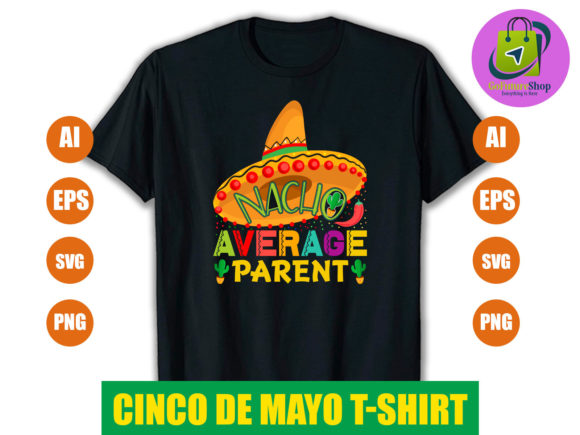
When I first pulled the Nacho Average Parent Cinco de Mayo embroidery file onto my screen, it smiled at me. That’s not a technical term, of course, but it’s the feeling you get from a design that knows its purpose. This isn’t a generic graphic slapped onto a holiday theme; it’s playful, confident, and built around a pun that’s genuinely fun. The layout has a welcoming, casual energy, perfect for creating personalized gifts or small shop merchandise that feels thoughtful rather than mass-produced. The visual personality leans into celebration without being overly cluttered, suggesting it would stitch out cleanly, with good clarity for the lettering and elements. My designer instinct immediately placed it in the category of a craft business product that bridges humor and heart.
Where This Design Finds Its Best Home
In practical embroidery situations, this design sings on casual custom apparel. Think of a soft cotton sweatshirt for a parent, a canvas tote bag for a family picnic, or a cozy throw pillow for a living room. It’s a natural fit for boutique kitchen towels or aprons as a holiday gift. For Etsy sellers and handmade shop owners, it would make a strong, emotive listing for Father’s Day or Cinco de Mayo themed products. The mood is celebratory and familial, so I’d steer it towards products that imply relaxation and togetherness. Baby clothes might be a stretch unless heavily adapted, but a simple embroidered patch on a child’s denim jacket could work wonderfully. Its true strength lies in adult apparel and home goods where the joke is appreciated.
A Real Scenario: The Custom Embroidered Sweatshirt
Let’s walk through a real case. I’m considering this for a custom embroidered sweatshirt order from a client who wants a unique Cinco de Mayo gift for her husband. My first thought is fabric. A mid-weight cotton blend will handle the stitch density well. I’d likely choose a cream or heather grey background to let the colors pop, avoiding a stark white which can feel too crisp for this design’s playful tone. I’d test it on scrap fabric first, of course, paying close attention to the smaller textual details. After stitching, I imagine the finished product looking generous and cheerful—not like a corporate logo, but like a personal wink. That authenticity boosts perceived value and customer trust in my embroidery service.
Points of Practical Caution for Embroidery
While the design appears well-balanced, there are always considerations. The provided files are vector formats, which is excellent for scaling, but the real test is in the stitchout. On a curved surface like a cap, the layout might need adjustment to maintain its integrity. On thin or stretchy fabric, like a lightweight t-shirt, the stitch density needs to be carefully managed to prevent puckering—a proper stabilizer choice is non-negotiable. On dark fabric, thread color contrast becomes paramount; some of the lighter or more vibrant colors in the RGB palette might need to be swapped for deeper hues to maintain visual appeal. The tiny lettering, especially in any secondary text, must be inspected in a test run to ensure stitching clarity. This isn’t a design I would run in a very small hoop size; it deserves a medium area to let its personality breathe.
Embroidery Designer Notes for a Smooth Project
Before committing this to a final product, my checklist is straightforward. Test on both light and dark scrap fabric. Review the actual stitch density in my embroidery software preview, as vector colors don’t translate directly to thread. Confirm my hoop size accommodates the entire design without crowding the edges. I’d also run a simple black and white mockup to see how the shapes hold up without color, a good practice for understanding the underlying structure. Crucially, I must confirm the licensing terms for this graphics product. The description mentions the files received, but I need to verify if my use for commercial embroidery projects—selling the finished sweatshirt, for example—is permitted. That step protects my craft business and ensures professionalism.
Impact on Finished Product and Customer Engagement
Using Nacho Average Parent Cinco de Mayo effectively transforms a blank item into a story. On a finished product, like an embroidered pillow cover or a tea towel, it creates immediate recognition and giftability. It feels handmade in the best way—specific and intentional. For an apparel decorator or creative entrepreneur, this design aids brand consistency if your shop specializes in humorous, family-oriented goods. It engages buyers because it’s relatable; it’s not just a decoration, it’s a shared sentiment. In a craft fair setting, a product featuring this embroidery would likely attract smiles and conversations, which is the ultimate marker of a successful design choice. It adds value by turning a basic garment into a personalized gift with emotional resonance.
Final Thoughts for Makers and Sellers
This embroidery design is a solid, joyful asset for the right project. It’s not for every application—I’d avoid dense, layered garments or items requiring frequent, harsh washing where delicate details might suffer. But for the vast middle ground of casual custom apparel and home decor, it’s a winner. Its strength is in its clear theme and friendly layout, which should translate well into satin and fill stitches. For digital product sellers, the included file formats are ideal for creating printable mockups and previews. My advice is to embrace its festive spirit, but apply it with practical embroidery wisdom. Pair it with quality fabrics and thoughtful thread choices, and you’ll end up with a product that truly feels, well, nacho average.